

2025 Governance Conference
Saturday, September 6, 2025
On September 6, the Florida Charter Institute hosted the fifth annual Florida Charter School Governance Conference on the campus of Dr. Kiran C. Patel High School in Tampa. This conference event focused on serving the needs of Charter School Governing Board Members throughout the state of Florida.
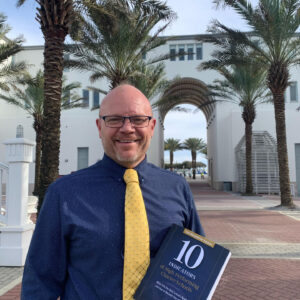
Keynote Presentation: Dr. Tom Miller
Dr. Tom Miller is a nationally recognized expert in charter school leadership, governance, and strategic planning. As the author of The Ten Indicators of High-Performing Charter Schools and a Global Gurus Top 30 Education Leader, Tom helps schools build strong governance and leadership structures that drive long-term success.
As a charter school consultant, Tom has led multiple schools through crisis management, turnaround strategies, and leadership development. He is the founder of Leaders Building Leaders, a firm dedicated to empowering charter school leaders through executive coaching and governance training.
Currently, Tom serves as Executive Director of Seaside School, where he oversees a $40M college campus expansion project. A John Maxwell-certified coach and expert in persuasion and influence, he brings a wealth of experience in leadership, governance, and organizational transformation.
Based in Santa Rosa Beach, Florida, Tom is a dedicated father, husband, and champion for high-performing schools.
Conference Sessions
Morning Assembly Introduction
The conference opened with a welcome that recognized the vital roles of school leaders, board members, and partners, while setting the stage for a day of collaboration and learning. Hosted at Patel High School in Tampa, the session highlighted the school’s growth and student successes, introduced the Florida Charter Institute’s work, and concluded with the introduction of keynote speaker Dr. Tom Miller.
- Conference: 2025 Governance Conference
- Presenter(s):
- Christine Mentis, FCI Governance Coordinator
Morning Keynote: Dr. Tom Miller
This keynote emphasized the need for charter schools to embrace innovation and avoid complacency, warning that failure to adapt can lead to decline in a rapidly evolving education landscape. Key takeaways included recognizing and addressing barriers to innovation, strengthening governance practices, and anchoring decisions in mission, vision, and people to ensure long-term success.
- Conference: 2025 Governance Conference
- Presenter(s):
- Dr. Tom Miller
Choosing the Right Leader for your Charter School
This session, led by Lindsey Granger of Collaborative Educational Network, outlined a structured approach to selecting and supporting effective charter school leaders. She emphasized identifying key competencies, aligning the role with organizational priorities, involving stakeholders in the process, and providing ongoing mentoring and resources to ensure long-term school success.
- Conference: 2025 Governance Conference
- Presenter(s):
- Dr. Donna Marie Cozine, DMC Consulting
ESAs and Charter Schools: The Next Era of Education Choice
This session explored how charter schools can engage with Florida’s growing Education Savings Account (ESA) program, which now serves more than 120,000 students and generates over $1 billion annually. Participants learned how schools can become approved ESA providers, adapt to an increasingly choice-driven education landscape, and use contract-based services to expand access, diversify funding, and better serve families.
- Conference: 2025 Governance Conference
- Presenter(s):
- Keith Jacobs and Kelly Dwenger from Step Up For Students.
Establishing A Strong Exceptional Student Education Compliance Framework
This session, led by Lindsey Granger of Collaborative Educational Network, introduced the critical importance of ESE compliance for charter schools and highlighted key areas such as documentation, communication, and oversight. She also presented the Florida Charter Institute’s new ESE Compliance Tool, designed to help schools evaluate programming, identify gaps, and align practices with IDEA and state mandates.
- Conference: 2025 Governance Conference
- Presenter(s):
- Lindsey Granger, Collaborative Educational Network
Fiscal Governance Best Practices
This session focused on strengthening financial governance in charter schools, stressing that mismanagement remains the top cause of closures. Key practices included clarifying roles between boards, leaders, and finance teams; holding regular finance committee meetings; forecasting alongside budget reviews; and monitoring key metrics to ensure compliance, sustainability, and long-term
- Conference: 2025 Governance Conference
- Presenter(s):
- Raj Thakkar, Founder CSBM
Fortify your Financial Acumen: Learn the Fiscal Responsibility Method
This session highlighted the leading causes of financial mismanagement in charter schools and introduced a framework of “10 Cures” to strengthen fiscal health. Key practices included clear policies, accurate payroll and audits, realistic budgets, forecasting, risk management, and valuing talent and technology—helping boards and leaders move from crisis response to proactive financial stability that sustains academic success.
- Conference: 2025 Governance Conference
- Presenter(s):
- Raj Thakkar, Founder CSBM
From Lawsuits to Lessons Learned: Handling Litigation in Florida Charter Schools
This session examined the growing litigation risks facing charter schools, from employment disputes and discrimination claims to vendor conflicts and special education challenges. Key takeaways emphasized prevention through strong documentation, consistent policies, professional communication, and early legal involvement, helping schools minimize costly disputes and remain focused on serving students.
- Conference: 2025 Governance Conference
- Presenter(s):
- John Leombruno, Attorney with the Arnold Law Firm
From Values to Value: Budget Habits of Effective Charter Leaders
This session on “Values to Value: Budget Habits of Effective Charter Leaders” emphasized that budgets are more than numbers—they reflect a school’s mission and priorities. Key takeaways included building budgets on stable revenues, aligning spending with strategic goals, monitoring enrollment closely, and adopting cost-saving strategies to maximize resources for student success.
- Conference: 2025 Governance Conference
- Presenter(s):
- Dana Vignale and Jonathan Gillen from Charter Impact
Governing Board & Authorizer Relationships
In this session, Paul O’Neill highlighted the importance of strong, transparent relationships between charter school boards and their authorizers, urging boards to treat authorizers as partners and communicate proactively. He outlined common pitfalls and shared strategies to build trust, address challenges early, and ensure accountability, positioning boards for long-term school success.
- Conference: 2025 Governance Conference
- Presenter(s):
- Paul O'Neill, President, Tugboat Education
Governing Board Best Practices
This session focused on best practices for charter school governance, emphasizing the board’s responsibility for mission, academics, operations, and finances. Key takeaways included staying in the governance lane, using tools like committees and dashboards, avoiding common pitfalls, and reinforcing ethical leadership to build academically strong, financially sound, mission-driven schools.
- Conference: 2025 Governance Conference
- Presenter(s):
- Paul O'Neill, President of Tugboard Education
Governing Board Considerations When Acquiring and Financing a School Facility
This session explored the complex considerations charter school boards face when acquiring or financing facilities, including the fiduciary duties of due diligence, compliance with Sunshine Law and conflict of interest rules, and alignment with a school’s mission. Key topics included leasing versus purchasing, bond and developer financing, renovation versus new construction, and the importance of long-term planning, transparency, and assembling the right advisory team to ensure sustainable, mission-driven facilities decisions.
- Conference: 2025 Governance Conference
- Presenter(s):
- Melissa Gross-Arnold, Arnold Law Firm
Government in the Sunshine
This session, led by attorney Kathleen Schoenberg, reviewed Florida’s Sunshine Law and its impact on charter school boards, covering requirements for open meetings, notice, records, and public participation. She also highlighted the 2024 Moms for Liberty v. Brevard County case on public comment rules and explained exemptions, corrective actions, and the importance of transparency to build trust and ensure compliance.
- Conference: 2025 Governance Conference
- Presenter(s):
- Kathleen Schoenberg, Arnold Law Firm
Leading in the Age of AI: What Every Charter Board Should Know
This session introduced the basics of artificial intelligence in education, explaining how generative AI differs from earlier machine learning tools and demonstrating its potential for policy drafting, data analysis, and board decision-making. It also highlighted the urgent need for AI literacy and policies in schools, offering a FRAME framework to guide responsible adoption while preparing students for a future where AI is integral across industries.
- Conference: 2025 Governance Conference
- Presenter(s):
- Marlee Strawn, Founder Scholar Education
Legislative Updates
This session provided a comprehensive update on 2025 legislative changes impacting Florida charter schools, covering governance, student conduct, safety, and HR compliance. Key updates included stricter safety and training requirements, expanded background check and reporting rules, new governance and oversight tools, and charter-specific provisions on enrollment, facilities, and partnerships—all carrying immediate or near-term compliance deadlines.
- Conference: 2025 Governance Conference
- Presenter(s):
- Shawn Arnold, Arnold Law Firm
Navigating Charter School Human Resource Compliance and Administrative Challenges
This session, led by Jeffrey Wood and Maria Rojas of Tripp Scott, outlined HR compliance challenges for charter schools and shared best practices across the full employment cycle—from offer letters and handbooks to performance documentation and post-employment agreements—emphasizing documentation, updated policies, and strong HR infrastructure as keys to avoiding legal and operational risks.
- Conference: 2025 Governance Conference
- Presenter(s):
- Jeffrey Wood and Maria Rojas from the Tripp Scott law firm
Negotiation and Operation of Vendor Contracts
This session focused on best practices for vendor contracts in charter schools, stressing the importance of careful review, negotiation, and proactive management to avoid costly risks. Key themes included clear financial controls, compliance with statutory and privacy requirements, and building systems to monitor deadlines, renewals, and vendor performance for stronger, more accountable partnerships.
- Conference: 2025 Governance Conference
- Presenter(s):
- Emily Rodriguez and Matthew Durden from the Arnold Law Firm
Onboarding New Board Members – What Do They Need to Know?
This session focused on strengthening charter school governance through effective onboarding of new board members, framed around clear expectations, structured orientation, and mentoring. Key takeaways included aligning candidates with mission and responsibilities, engaging them directly with school leaders, and building intentional processes that support long-term board capacity and organizational health.
- Conference: 2025 Governance Conference
- Presenter(s):
- Sherard Parker, Florida Consortium of Public Charter Schools
Panel Discussion
This closing panel discussion explored the evolution of charter schools in Florida, highlighting today’s competitive landscape, increased compliance demands, and the need for boards to focus on strategy, communication, and financial sustainability. Panelists emphasized transparency, strong partnerships, and a focus on student outcomes as essential to navigating challenges and ensuring long-term success.
- Conference: 2025 Governance Conference
- Presenter(s):
- Christine Mentis, FCI
- Susie Miller Carello, FCI
- Richard Moreno, Building Hope
- Jeffrey Wood, Tripp Scott
- Cametra Edwards, Accelerated Coaching
- Kia Sweeney Scott, FACSA
Recruiting & Retaining Dynamic Board Members
This session explored practical strategies for building and sustaining dynamic charter school boards, emphasizing strong recruitment, effective onboarding, and aligning skills with mission needs. It also highlighted ways to make meetings more engaging, strengthen board-school relationships, and address challenges like difficult personalities or disengaged members to maintain a culture of accountability and impact.
- Conference: 2025 Governance Conference
- Presenter(s):
- Mark Cannon, Greater Capacity Consortium
Shared Accountability: Navigating the Authorizer & Governing Board Dynamic
This session focused on strengthening the relationship between charter school boards and authorizers, stressing the importance of trust, transparency, and proactive communication. Key strategies included aligning roles, sharing information regularly, and avoiding common pitfalls to ensure accountability processes support student success rather than create conflict.
- Conference: 2025 Governance Conference
- Presenter(s):
- Kia Sweeney Scott and Marianne Blair from the Florida Association of Charter School Authorizers
Strategic Planning
We apologize that the audio for this session was not usable, and therefore we are unable to provide the video recording. This session, “Flags, Focus, and Future: The Power of Strategic Planning for Boards,” emphasized how effective strategic planning helps charter school boards stay mission-focused, avoid reactive decision-making, and build long-term stability through clear priorities and alignment with long-term goals.
- Conference: 2025 Governance Conference
- Presenter(s):
- Cametra Edwards and Jennifer Hines from Accelerated Coaching
Title IX Requirements for K-12 Education
This session provided an overview of Title IX requirements for K–12 schools, explaining the categories of misconduct it covers and the responsibilities of coordinators, staff, and administrators in handling complaints. It highlighted key processes, documentation rules, and the importance of fairness and transparency, noting that consistent compliance protects students while safeguarding schools from significant risks.
- Conference: 2025 Governance Conference
- Presenter(s):
- Russell Froman, Arnold Law Firm
Unchartered Waters – Navigating Insurance as a Charter School
This session explored insurance and risk management for charter schools, covering essential policies such as liability, property, cyber, and crime coverage, along with often-overlooked areas like tenant improvements, flood, and sexual abuse coverage. Key takeaways emphasized proactive policy review, budgeting for growth, and strong vendor agreements to ensure schools remain financially protected, compliant, and focused on student success.
- Conference: 2025 Governance Conference
- Presenter(s):
- Ismary Cardoso, EGIS Insurance
Sponsors
A big thank you to our charter school partners who help to sponsor this event and keep it free for participants:
Florida Charter School Alliance
Building Hope
Charter School Governance Training

School Financial Services

Tripp Scott

ERate Advantage

Charter Impact
.