
Faqs

What are Charter Schools?
Charter schools are public, tuition-free schools that are open to all students. Each one operates under a performance-based contract, called a charter, with an authorizing body. This agreement outlines the school’s mission, educational approach, and accountability measures. Charter schools are designed to provide families with meaningful public school options that reflect the needs of their communities.
Why Do Families Choose Charter Schools?
- Choice: Families can select a school that fits their child’s learning style.
- Flexibility: Schools have the freedom to adapt curriculum and teaching methods.
- Smaller learning communities: Many charter schools offer smaller class sizes and more personalized support.
- Innovation: Educators are empowered to design programs tailored to meet the individual needs of each student.
- Accountability: Charter schools are held accountable for meeting both academic and financial goals.

What percentage of Florida students attend charter schools?
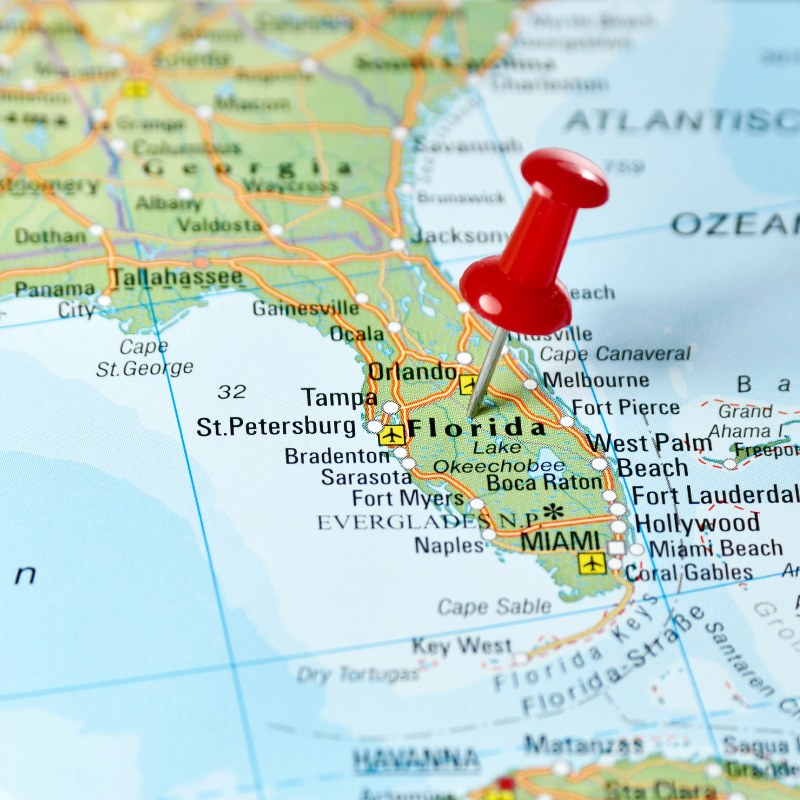
Charter school enrollment in Florida has increased steadily for over two decades. In 2002, fewer than 2% of public school students were enrolled in charter schools. Today, that number has climbed to over 14%, indicating that an increasing number of families are choosing charter schools as the right fit for their children.
What is The Enrollment Process for Charter Schools?
Each charter school manages its enrollment process. Most hold an open application period, and if the number of applicants exceeds available seats, a random lottery determines who is admitted. Families can find application deadlines and instructions on the school’s website.


Who Can Attend A Charter School?
Charter schools are open to all students and cannot discriminate based on race, religion, disability, or academic ability. They serve diverse student populations and follow all federal education laws, including those related to special education. This includes providing services such as Individualized Education Programs (IEPs) and working with families to support each child’s unique needs.
Other Frequently Asked Questions:
Do charter schools follow state standards?
Yes. Charter schools are required to meet state academic standards, participate in mandated assessments, and employ certified teachers in accordance with state law.
Do charter schools offer extracurricular activities?
Yes. Many charter schools offer a range of extracurricular programs, including sports, music, robotics, the arts, and student clubs. These activities often align with the school’s mission, providing students with opportunities to explore their interests, develop leadership skills, and build a sense of community.
Do charter schools offer student support services?
Yes. Many charter schools offer counseling, academic support, and social-emotional learning programs. Some also provide access to mental health resources, behavior specialists, and mentoring programs to help support the whole child.
Do charter schools provide transportation?
Some charter schools provide transportation, while others rely on parents to arrange it. Charter schools may contract with local bus services or offer transportation subsidies to their students. Florida law indicates that transportation can not be a barrier that prevents a student from attending a charter school.
What are high-performing charter schools?
These schools demonstrate strong academic outcomes and financial stability, consistently earning A or B school grades. They serve as models for excellence and innovation.
What happens if a charter school doesn’t perform well?
Charter schools must meet the academic, financial, and operational standards outlined in their charter agreements. If they fail to meet these expectations, they can be closed or not renewed.
How are charter schools created?
Charter schools are started by educators, parents, non-profit organizations, or municipalities. They must apply for approval through a charter application process and demonstrate financial and academic feasibility.
How are charter schools funded?
Charter schools receive public funding based on student enrollment, similar to traditional public schools. They may also receive grants, philanthropic donations, and federal funding.
How do charter schools affect local school district funding?
Charter Schools are funded per student, just like traditional schools. When students enroll in a charter school, the associated funding follows them. The charter’s sponsor may retain an administrative fee, ranging from 2% to 5% of the charter school’s funding, for overseeing charter schools in their county.
How are charter school facilities funded?
Charter schools can lease, purchase, or construct their facilities. Florida requires that capital outlay funding be shared with charter schools once the school has been in operation for its third year, or if it is part of an accredited system.
Can charter schools be religious?
No. Charter schools must be nonsectarian in their admissions, curriculum, and operations. They cannot promote religious instruction.
How can families learn more or apply to a charter school?
Families can visit the school’s website for application details, deadlines, and contact information. Many schools also welcome prospective families for tours or information sessions.
How can I get involved in the work?
We welcome the involvement of the entire community. If you would like to discuss how you might be able to contribute, please reach out to Curtis Fuller.
Can I submit a charter application?
At this time, no. We are working to complete our application to be an approved sponsor and anticipate being able to accept charter applications by the end of 2024. When this option is available, the application process will be thoroughly explained on this website. To learn more about the process you can reach out to Christy Noe.
Can we move our application to MDC/FCI?
At this time, no. We are currently working on the process to develop the application process for transfering a charter to the Florida Charter Institute at Miami Dade College. Once this is ready, it will be posted to our site, this will be an option for some schools. Under Florida Statute, existing charters cannot be considered for sponsorship by a college until its existing charter with the school district expires. Once our application for sponsorship is approved, we will post information and criteria for this process on this website.
How can I access the research?
FCI started its work at the end of February 2023. We are working to complete initial research. Once materials and information are available, they will be posted on this website.
How do I suggest future research?
We are open to ideas from the entire charter school community. The initial work of FCI has been established through the federal CSP grant, and we are not able to add additional research yet. However, we anticipate the Florida legislature providing future funding, and we will then begin examining additional research topics. If you have ideas on what these could be, please contact Curtis Fuller.
Is the Florida Charter Institute an authorizer or research group?
FCI intends to be both. We intend to be a clearinghouse and research center for studying and promoting the charter school movement, while at the same time serving as the authorizing arm of Miami Dade College. This helps us to have a realistic perspective of the entire charter process and to share out best practices from a research perspective.